Deck Maintenance Tips: Keep Your Investment Looking New
Maintaining a deck is critical for keeping outdoor spaces looking great and lasting longer. Various materials demand tailored care and attention. Consistent cleaning and checkups can keep minor concerns from becoming major repair costs. Knowing when to reseal or stain is equally important. With the right approach, homeowners can safeguard their investments. Learning these core principles establishes a foundation for reliable upkeep strategies that maintain a deck's fresh appearance over time. What should come next?
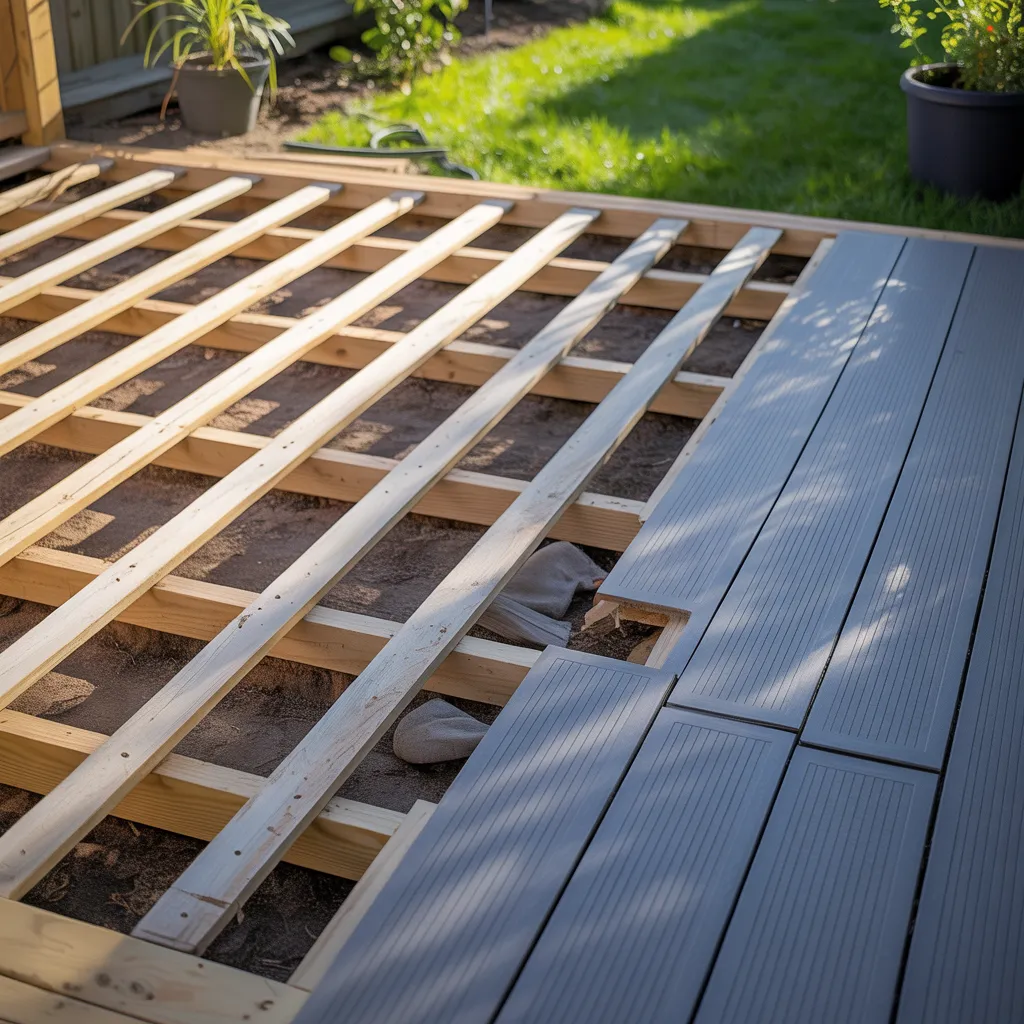
Knowing Your Deck Material: Wood, Composite, or Vinyl
As homeowners evaluate maintaining their deck, knowing the material type —whether wood, composite, or vinyl— is essential. Each decking option features specific traits that influence maintenance needs.
Wood decks, though visually appealing, need routine sealing and staining to defend against get the full story moisture and UV damage. Failing to maintain them may cause deterioration and splintering, making timely repairs or replacements necessary.
Composite decking, constructed using a mixture of plastic and wood fibers, provide long-lasting performance with less maintenance required. They resist fading and do not require staining or painting, but periodic cleaning is essential to inhibit the growth of mold and mildew.
Vinyl decking remains the most low-maintenance option, resistant to rot and insects. It usually demands just occasional cleaning to preserve its appearance.
Comprehending these variations empowers homeowners to customize their maintenance approaches appropriately, confirming their decks are kept in top condition and maximizing their longevity.
Key Tools for Maintaining Your Deck
A few essential tools can considerably simplify deck maintenance tasks. A durable broom is necessary for clearing away debris, while a pressure washer efficiently cleans the surface without excessive scrubbing. A deck brush, notably one with rigid bristles, is excellent for handling persistent stains and mildew. For timber decks, a high-quality wood cleaner and a protective sealant are essential for maintaining the wood's integrity.
Additionally, a paint or stain applicator ensures consistent coverage when restoring the deck's surface finish. Safety equipment like gloves and goggles, should also be included to guard against harmful chemicals and debris. Finally, a durable ladder is essential for safely accessing elevated areas. Possessing these tools can improve the efficiency of the maintenance process, thereby extending the deck's lifespan and improving its overall appearance. Consistently using these tools ensures that the deck remains a beautiful and functional outdoor space.
Deck Care: How Frequently Should You Clean Your Deck?
How often should you clean your deck to preserve its appearance and lifespan? Experts recommend a thorough cleaning at least once a year, ideally in the spring or fall. This schedule allows for the removal of dirt, debris, and potential mold growth that can accumulate over time. Routine checkups should additionally be performed every couple of months to spot any problems that might need prompt action.
In high-traffic zones or decks subjected to severe weather conditions, more frequent cleaning might be necessary. Moreover, if the deck is used for dining or entertaining, maintaining its cleanliness becomes even more critical.
Cleaning Methods for Different Deck Materials
Picking the right cleaning method for different deck materials guarantees thorough preservation and maintenance. For timber decks, a blend of mild soap and water is usually enough. A soft-bristled brush aids in removing dirt without harming the surface. Power washing can be utilized with care, keeping the pressure at a low setting to prevent splintering.
Composite deck surfaces require a gentler approach, usually involving a cleaner specifically formulated for composite materials. A non-abrasive cloth or sponge effectively lifts stains without scratching the material.
For cleaning aluminum decks, a straightforward soap and water solution is recommended, along with a non-abrasive sponge to prevent scratches.
In addition decks made of vinyl can be cleaned with a blend of vinegar and water, or a mild all-purpose cleaning solution, then rinsed thoroughly with water. Each type of material demands particular attention, highlighting the necessity of tailored cleaning methods to ensure lasting beauty and durability.
Shielding Your Deck From Weather Damage
To guarantee your deck remains in prime condition, shielding it from weather damage is crucial. Establishing a consistent cleaning routine, using sealants at regular intervals, and incorporating UV protection measures can considerably increase the lifespan of the deck. These proactive measures protect the structure from environmental damage and maintain its aesthetic appeal.
Routine Cleaning Schedule
A consistent cleaning schedule is crucial for safeguarding the structural integrity of a deck against the elements. Routine cleaning effectively eliminates debris, dirt, and organic material that encourages mold and mildew development. Sweeping the deck on a weekly basis is recommended to avoid buildup, particularly during high-foliage seasons. A comprehensive wash with a mild cleaner every few months can successfully remove stains and preserve the surface. Pairing cleaning efforts with seasonal inspections allows for the prompt detection of any wear or damage. Following this schedule enables deck owners to considerably extend their investment's longevity while keeping its appearance attractive. Above all, proactive care ensures the deck continues to serve as a safe and pleasant area for socializing and leisure.
Sealant Application Schedule
Preserving the lifespan of a deck copyrights greatly on the frequency of sealant application. Regularly applying sealant serves as a shield against dampness, protecting against rot and warping. Experts recommend treating a deck with sealant every one to three years, depending on factors such as environmental conditions, the type of wood, and frequency of use. In locations prone to intense rain or extreme winters, additional applications may be required. Before applying a new coat, a detailed cleaning and examination for damage should be carried out. Choosing the correct sealant can boost the deck's aesthetic while delivering crucial protection from weather conditions. By adhering to a consistent sealant application schedule, property owners can be confident their deck remains in top condition, preserving their investment for many years ahead.
UV Protection Options
Many homeowners underestimate the effect UV rays can have on their decks, yet these rays can significantly deteriorate wood surfaces over time. To protect against this damage, numerous UV protection choices can be considered. Premium sealants containing UV inhibitors can work to defend the wood from harmful sun rays, prolonging its life. Additionally, using a water-resistant stain not only improves the deck's aesthetic but also provides a barrier against UV rays. For those desiring superior protection, UV-resistant coatings deliver outstanding resilience and lasting strength. Routine upkeep, including reapplying these protective treatments, is necessary to maintain ongoing defense against harmful solar radiation. By prioritizing UV protection measures, homeowners can maintain the elegance and strength of their decks.
Knowing When to Reseal or Stain Your Deck
When should you reseal or stain a deck? Homeowners should consider resealing or staining their deck every two to three years, subject to several contributing factors. Wood type, regional climate, and sun exposure are all key factors in determining how often maintenance is needed. Signs that a deck needs attention include fading color, rough texture, and water not beading on the surface. An easy water test can help determine the condition of the deck; if water absorbs quickly, it indicates that sealing is necessary. Furthermore, noticeable cracks or splintering can be a sign that staining or sealing is soon required. Choosing a dry day for application is crucial, with ideal temperatures falling between 50 and 90 degrees Fahrenheit. By keeping track of these signs and following a consistent maintenance routine, homeowners can extend the life of their deck and preserve its visual appeal.
How to Recognize and Resolve Deck Damage Like a Specialist
Identifying and addressing deck damage is essential for maintaining its longevity and safety. Common issues include rot, warping, and loose boards, each requiring specific repair techniques. By understanding these damage types and effective solutions, homeowners can approach deck repairs with confidence.
Common Deck Damage Types
Decks endure numerous types of damage over time, demanding vigilant maintenance to secure their longevity. Common types of damage include rot, caused by moisture accumulation in wood, commonly discovered at joints or low-lying areas. Cracks and splits can arise due to temperature fluctuations, leading to weakened framework. Furthermore, insect infestations, such as termites, can subtly damage the integrity of the deck. Corroded or unsecured fasteners, like screws and nails, may contribute to instability and safety hazards. Sunlight exposure can deteriorate protective finishes, compromising aesthetics and protection. Finally, mold and mildew growth can produce hazardous surfaces and encourage decay. Identifying these issues early is vital for maintaining deck safety and appearance, securing a well-preserved exterior living space.
Reliable Repair Approaches
Detecting and tackling deck damage in a timely manner can save homeowners from larger repair projects later. It is important for homeowners to routinely examine their decks for evidence of decay, warping, or deteriorating boards. Focus on areas close to water sources, as water exposure frequently hastens structural breakdown. For minor cracks, a wood filler can restore the surface, while bigger openings could call for the replacement of affected boards.
When addressing surface discoloration, a thorough pressure wash followed by a appropriate deck staining product can refresh the overall appearance. In addition, make sure all fasteners are tightened; wobbly screws and nails can create structural instability. For underlying issues, working with a professional assures that the repairs are thorough and lasting, safeguarding the deck's durability and aesthetic quality.

Answers to Common Questions
Is It Possible to Pressure Wash My Deck Without Causing Damage
Indeed, power washing a deck is definitely doable without causing damage, as long as the right approach and settings are employed. It remains vital to maintain a safe distance and utilize the right equipment and attachments to prevent splintering or surface harm.
How Can I Tell If My Deck Needs Replacement?
Common signs that a deck needs to be replaced include extensive wood rot, significant splintering, loose or missing boards, persistent mold growth, and structural instability. These problems suggest that repairs may be insufficient, making a complete replacement necessary for safety.
Is It Okay to Apply Bleach to My Deck?
Using bleach on a deck is not recommended, as it can damage the wood and surrounding vegetation. Other cleaning methods are both safer and more efficient, protecting the deck's structure and aesthetics over the years.
How Do I Choose the Right Stain Color?
To select the right stain shade, one should think about the existing exterior elements, intended visual style, and wood species. Trying out samples on a limited area aids in seeing the final result before finalizing your selection.
Can I Paint My Composite Deck?
Yes, composite decks can be painted, although this is usually not the best course of action. The painting process may invalidate warranties and result in peeling. Instead, using a specialized composite deck stain is often a better option for maintaining appearance.